7 Idaho Plumbing Emergencies (And How to Handle Them)

A sudden plumbing disaster can turn a quiet evening at home into a stressful ordeal. Water damage spreads rapidly, threatening your property and disrupting your family’s routine. Knowing exactly how to react during these crucial first few minutes makes all the difference.
Homeowners across Boise, Meridian, and Nampa face unique plumbing challenges throughout the year. From freezing winter temperatures to aging infrastructure, Southern Idaho weather tests the limits of your home’s pipes and fixtures.
This guide breaks down the top seven most common plumbing emergencies you might encounter. We will explain exactly what steps you need to take to mitigate damage before the professionals arrive. You will also learn why keeping Master Rooter’s 24/7 emergency service number handy is your best defense against catastrophic water damage.
Immediate Action: Find Your Main Water Shut-Off Valve
Before we dive into specific emergencies, you must know how to stop the flow of water into your home. The main water shut-off valve is your primary defense against flooding.
Take ten minutes today to locate this valve. You will typically find it in your basement, crawlspace, or garage near the water heater. Sometimes, it sits outside near the street in a covered box.
If a pipe bursts or a fixture continuously overflows, immediately turn this valve clockwise to shut off the water supply. Stopping the water is always step one. Once the water stops, you can safely assess the situation and call for emergency plumbing assistance.
1. Frozen and Burst Pipes During Idaho Winters
Southern Idaho winters bring freezing temperatures that pose a massive threat to your plumbing system. When water freezes inside a pipe, it expands with incredible force. This expansion easily ruptures metal and plastic pipes alike.
When the ice eventually thaws, water rushes out of the rupture and floods your home. If you turn on a faucet during a cold snap and nothing comes out, you likely have a frozen pipe.
Keep the faucet open to relieve pressure and immediately shut off your main water valve. Never use an open flame to thaw a pipe. Instead, call Master Rooter immediately. Our technicians have the tools to safely locate and repair the compromised section before extensive flooding occurs.
2. Sudden Water Heater Failures
You rely on your water heater for cooking, cleaning, and bathing every single day. A sudden failure often means more than just taking a cold shower. If the internal tank corrodes and ruptures, it can dump dozens of gallons of water directly onto your floor.
Signs of an impending water heater emergency include loud popping noises, rusty water, or water pooling around the base of the unit. If you spot a leak, turn off the cold water supply valve located directly above the heater.
Next, turn off the power supply to the unit. For electric heaters, flip the breaker. For gas heaters, turn the gas valve to the “off” position. Once the unit is secure, contact our emergency dispatch to schedule a rapid repair or replacement.
3. Severe Sewer System Backups
A sewer backup is one of the most unsanitary and destructive plumbing emergencies a homeowner can face. When the main sewer line clogs, wastewater has nowhere to go but back up into your home. You will typically notice foul odors and dirty water backing up into your bathtubs or basement drains.
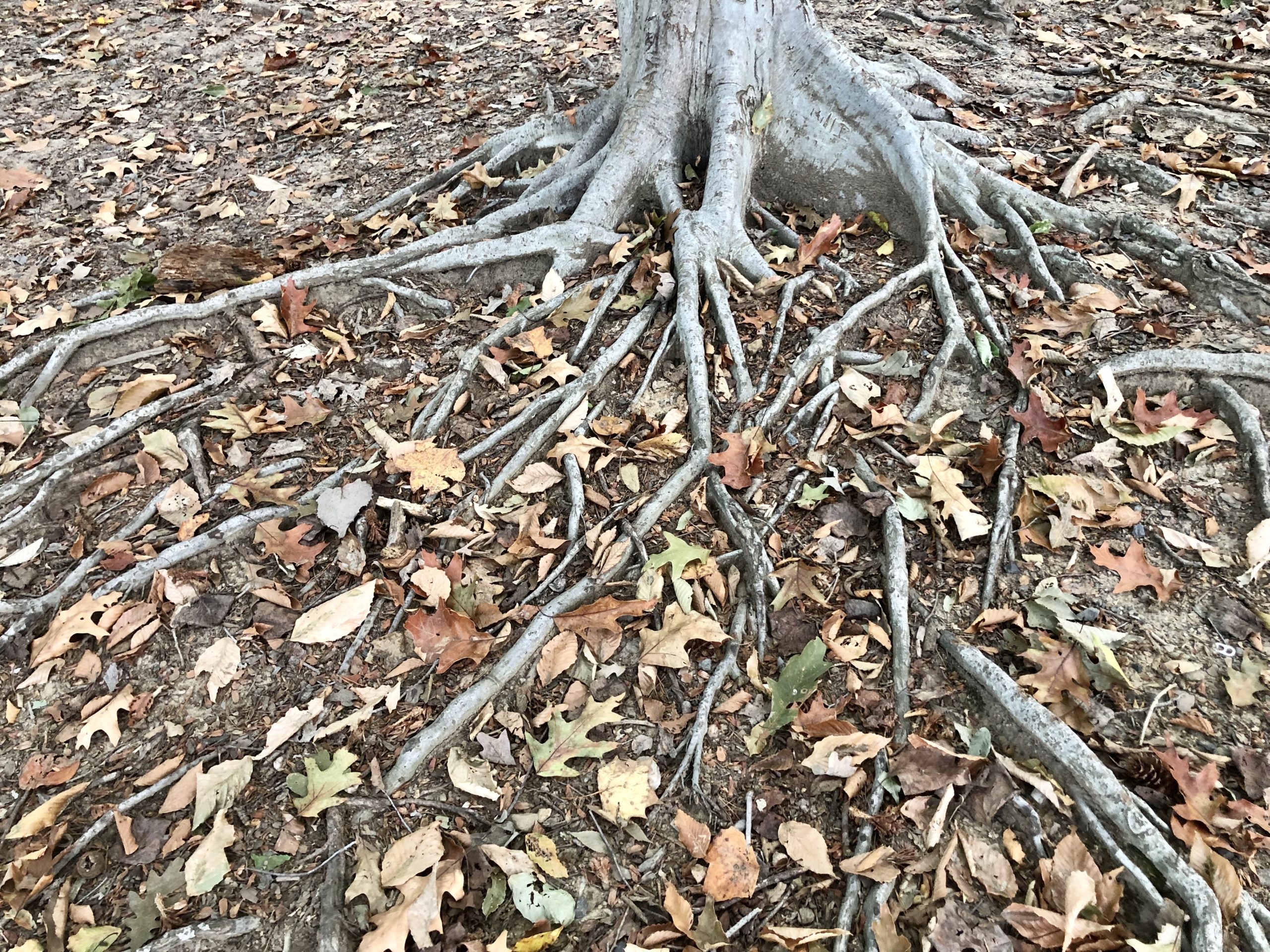
Tree root intrusion, flushed wipes, and shifting soil are common culprits in older Boise and Nampa neighborhoods. If you suspect a sewer backup, stop using all plumbing fixtures immediately. Do not flush any toilets or run any sinks.
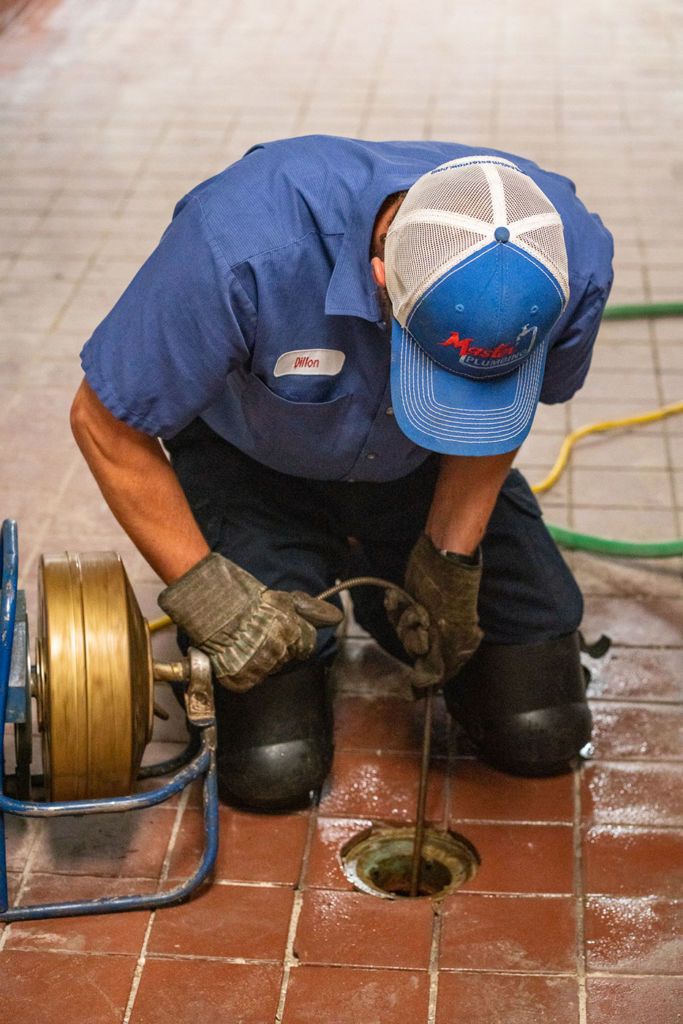
Exposure to raw sewage poses severe health risks to your family and pets. Keep children away from the affected area and call Master Rooter right away. We use high-definition cameras and professional hydro-jetting equipment to safely clear the main line and restore proper drainage.
4. Overflowing Toilets
An overflowing toilet is a frequent household emergency that causes panic and significant water damage. This usually happens when a physical blockage prevents the bowl from emptying, but the fill valve continues to pump water into the tank.
If the water level in the bowl starts rising rapidly, do not reach for the plunger just yet. First, locate the small shut-off valve behind the toilet near the floor. Turn this valve clockwise to stop the water flow immediately.
If the valve is stuck, carefully remove the lid to the toilet tank and lift the float mechanism to stop the fill valve. Once the water stops, you can attempt to clear the blockage with a flange plunger. If the clog refuses to budge, our emergency team can clear the obstruction without damaging your porcelain.
5. Major Pipe Leaks and Ruptures
Not all pipe leaks happen because of freezing temperatures. High water pressure, severe corrosion, and shifting foundations can cause pipes to rupture unexpectedly. A major leak inside a wall or ceiling quickly destroys drywall, insulation, and electrical systems.
If you hear water rushing behind a wall or see a rapidly expanding wet spot on your ceiling, act fast. Shut off the main water valve to the entire house immediately.
Place buckets under any active drips and move furniture away from the affected area. Poking a small hole in the center of a sagging ceiling can help drain the water into a bucket, preventing the entire ceiling from collapsing. Our licensed plumbers will quickly locate the hidden leak, replace the damaged pipe, and restore your home’s water supply.
6. Sump Pump Failures During Spring Thaw
Many homes in the Treasure Valley rely on sump pumps to keep their basements and crawlspaces dry. During heavy spring rains or rapid snowmelt, your sump pump works overtime to push groundwater away from your foundation.
If the pump fails due to a power outage, a jammed float switch, or a burnt-out motor, your basement can flood in a matter of hours. Test your sump pump regularly by pouring a bucket of water into the pit to ensure it activates.
If you notice standing water rising in your basement, unplug any electrical devices in the area to prevent shock hazards. Master Rooter can quickly repair or replace failing sump pumps, and we highly recommend installing a battery backup system for added peace of mind.
7. Gas Line Leaks
While often categorized separately, many plumbers handle residential gas lines that fuel water heaters and stoves. A gas leak is a life-threatening emergency that requires absolute caution.
If you smell a strong odor similar to rotten eggs, you likely have a gas leak. Do not attempt to locate the leak yourself. Do not turn on any light switches, use your cell phone, or light a match inside the house, as a single spark can cause an explosion.
Evacuate your home immediately, leaving the doors open behind you to ventilate the space. Once you are a safe distance away, call your local utility company and emergency services. After the utility company secures the gas supply, Master Rooter can expertly repair the damaged gas line and ensure your home is safe to re-enter.
Master Rooter: Your 24/7 Emergency Plumbing Partner
Plumbing disasters do not wait for standard business hours. They happen in the middle of the night, on weekends, and during holidays. When a pipe bursts or a sewer line backs up, you need a responsive, highly trained team you can trust.
Master Rooter provides true 24/7 emergency plumbing services across Southern Idaho. Our fully stocked service vehicles arrive ready to tackle any crisis, equipped with the necessary tools and replacement parts. We provide upfront pricing before any work begins, so you never face surprise fees during a stressful situation.
Do not let a sudden leak ruin your home. Save our number in your phone today. If you are facing a plumbing emergency in Boise, Meridian, or Nampa, call Master Rooter immediately for fast, reliable, and expert relief.
Meta data
Meta title
7 Idaho Plumbing Emergencies & How to Handle Them
Meta description
Facing a burst pipe or overflowing toilet in Southern Idaho? Learn how to handle the top 7 plumbing emergencies and when to call Master Rooter for 24/7 help.