The Dangers of DIY Drain Cleaning vs. Professional Hydro-Jetting

A clogged drain quickly turns a normal morning into a frustrating ordeal. When water backs up in your sink or shower, your first instinct might be to reach for a brightly colored bottle of liquid drain cleaner from the local hardware store. It seems like a fast, inexpensive solution to get things moving again. However, pouring harsh chemicals down your pipes often does more harm than good.
Store-bought drain cleaners rely on caustic chemical reactions to dissolve blockages. While they might offer a temporary fix, they mask underlying problems and actively damage your plumbing infrastructure. Understanding the risks associated with these DIY methods is crucial for protecting your home.
In this post, we will explore why liquid chemical cleaners are harmful to your plumbing system and the environment. We will also dive into the highly effective, safe alternative: professional hydro-jetting. By the end of this guide, you will understand exactly how to handle stubborn clogs the right way.
The Hidden Truth About Store-Bought Chemical Cleaners
Most commercial liquid drain cleaners contain a harsh mix of sodium hydroxide, sulfuric acid, and lye. These ingredients are designed to create heat. The idea is that this extreme heat will melt away grease, hair, and soap scum. Unfortunately, this violent chemical reaction does not just target the clog. It attacks everything it touches.
How Chemicals Damage Your Plumbing System
When you pour a chemical cleaner down a slow drain, the liquid often sits right on top of the blockage. As the chemicals generate heat to eat away at the clog, they also heat up the surrounding pipe. For older homes in Boise and Nampa with aging metal pipes, this process accelerates corrosion. The acid eats away at the inner lining of the pipe, creating weak spots that eventually lead to pinhole leaks.
Modern homes in Meridian often use PVC or other plastic piping. Plastic pipes are not immune to chemical damage. The intense heat generated by store-bought cleaners can actually warp, soften, or completely melt PVC pipes. What started as a simple ten-dollar fix can easily transform into thousands of dollars in pipe replacement costs.
Environmental Hazards and Health Risks
Beyond the damage to your pipes, chemical cleaners pose severe risks to your household and the local environment. These toxic substances can emit noxious fumes that irritate your eyes, nose, and lungs. If the liquid splashes back while you are pouring it, it can cause severe chemical burns to your skin.
Furthermore, these hazardous materials eventually wash out of your plumbing system and enter the local water supply. Wastewater treatment plants work hard to filter out impurities, but heavy concentrations of toxic plumbing chemicals make this process incredibly difficult. By relying on DIY chemical cleaners, you inadvertently introduce harmful toxins into Idaho’s precious waterways and groundwater systems.
Why the “Quick Fix” Often Fails
Chemical drain cleaners rarely solve the root cause of a plumbing blockage. They might melt a small hole through a mass of hair and soap scum, allowing water to slowly drain again. However, the bulk of the obstruction remains firmly attached to the pipe walls.
Because the main blockage is still present, debris will quickly build up again. You will find yourself facing the exact same slow drain a few weeks later. Repeatedly using chemical cleaners to fight a recurring clog only multiplies the damage being done to your pipes.
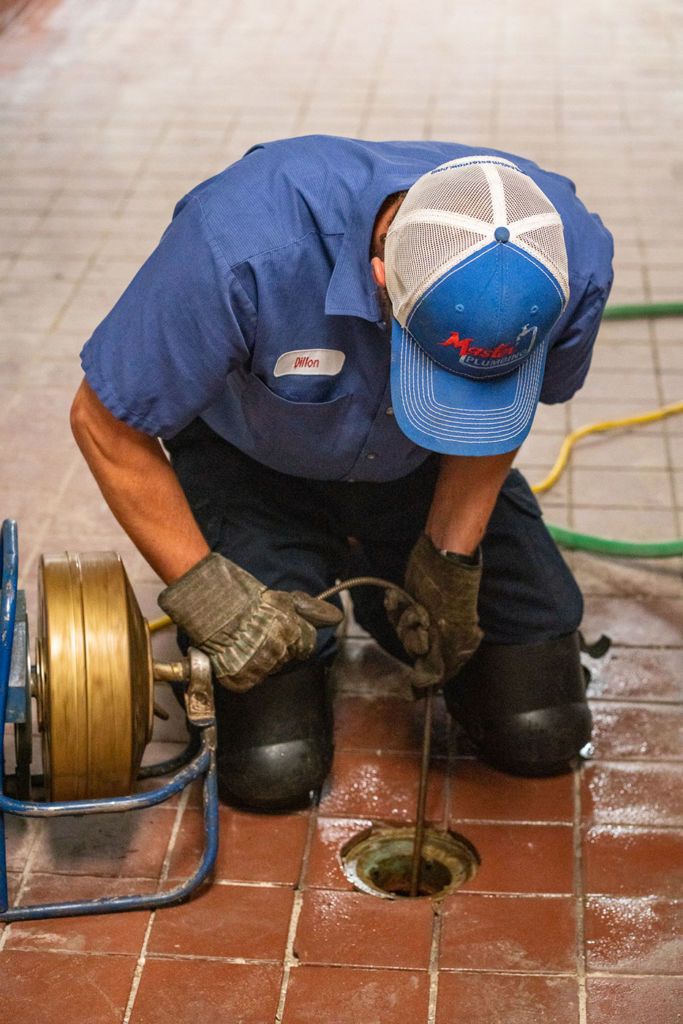
Some homeowners attempt to use a rented mechanical snake to clear tough blockages. While snaking is safer than using chemicals, an inexperienced user can easily scrape the pipe walls or compact the clog further down the line. To completely restore your pipes to their original flow capacity, you need a professional approach.
The Professional Solution: What is Hydro-Jetting?
When traditional methods fail, professional plumbers turn to hydro-jetting. Hydro-jetting is a highly advanced, non-invasive method used to clean the interior surfaces of plumbing pipes. Instead of relying on toxic chemicals or scraping metal blades, this technique harnesses the sheer power of highly pressurized water.
The Hydro-Jetting Process Explained
The hydro-jetting process begins with a thorough inspection. A skilled technician will insert a high-definition, closed-circuit camera into your drainage system. This allows the plumber to locate the exact position of the clog and determine its composition. It also ensures that the pipe is structurally sound and able to withstand high water pressure.
Once the inspection is complete, the technician inserts a specialized hose with a multi-directional nozzle into the pipe. The hydro-jetting machine pumps water through the hose at extreme pressures, often reaching up to 4,000 PSI (pounds per square inch).
The nozzle sprays water forward to break up the main obstruction, while rear-facing jets propel the hose deeper into the line. These rear jets simultaneously scrub the entire circumference of the pipe walls. The intense water pressure pulverizes tree roots, grease buildup, mineral deposits, and stubborn debris, washing it all safely down into the municipal sewer system.
Long-Term Benefits of High-Pressure Water
The biggest advantage of hydro-jetting is its thoroughness. While snaking pokes a hole through a clog, hydro-jetting essentially scours the inside of the pipe clean. It removes years of sticky sludge and scale buildup, leaving your pipes looking and functioning like they were just installed.
Because it removes the sticky residue that traps new debris, hydro-jetting prevents future clogs from forming. It is a proactive maintenance tool as much as it is an emergency solution. Best of all, hydro-jetting is 100% environmentally friendly. It uses nothing but plain water, protecting your family, your plumbing, and the local Idaho ecosystem.
Trusting 75+ Years of Idaho Plumbing Experience
Dealing with a stubborn drainage issue requires expertise and precision. Attempting to blast away clogs with a rented pressure washer can easily burst your pipes if you do not know the correct pressure settings. This is a job that demands professional training and heavy-duty equipment.
Master Rooter has proudly served the plumbing needs of Southern Idaho for over 75 years. Our deep understanding of local plumbing infrastructure allows us to deliver safe, effective solutions for every property. We have spent decades helping homeowners across Boise, Meridian, and Nampa protect their investments.
Our licensed technicians are fully trained in the latest hydro-jetting technologies. We never guess when it comes to your plumbing. We use precision camera inspections to diagnose the issue accurately and apply the exact amount of water pressure needed to clear your lines safely. When you choose Master Rooter, you are choosing three generations of honest, reliable, and unparalleled plumbing expertise.
Protect Your Pipes: Schedule Your Drain Cleaning Today
Do not risk your home’s plumbing system by pouring caustic, dangerous chemicals down the drain. If you are dealing with a slow drain, a foul odor coming from your sink, or a complete blockage, it is time to call the experts.
Professional hydro-jetting will restore your pipes to peak condition safely and efficiently. Protect your property and enjoy the peace of mind that comes with a perfectly functioning drainage system.
Are you ready to experience the power of a truly clean pipe? Contact Master Rooter today to schedule your professional drain cleaning and hydro-jetting service. Let our experienced team keep your water flowing smoothly all year long.
Meta data
Meta title
The Dangers of DIY Drain Cleaners vs. Professional Hydro-Jetting
Meta description
Discover why store-bought chemical drain cleaners damage your pipes. Learn how Master Rooter uses safe, effective hydro-jetting to clear stubborn clogs in Idaho.