Top Causes of Clogged Drains in Boise Homes
The top causes of clogged drains in Boise homes fall into two main categories: bathroom drains and kitchen drains. After years of clearing drains across Boise, Star, and Payette, we’ve pulled everything from hair clumps the size of tennis balls to enough grease to fill a coffee can. The culprits are usually the same, but how they combine with Boise’s mineral-heavy water makes things interesting. Most homeowners don’t realize that what goes down the drain today becomes tomorrow’s slow drain or complete backup. Here’s what we actually find when we snake or camera your lines.
Bathroom Drain Culprits We Pull Out Every Week
Hair is the number one offender in bathroom drains, hands down. It combines with soap scum to create a net that catches everything else. We’ve pulled out clogs that look like small animals. Toothpaste residue adds to the mess, especially the gel types that never fully dissolve. Personal care products like face masks and exfoliants contain particles that stick to pipe walls. Boise’s hard water creates mineral buildup faster than in other areas, and that buildup gives hair something to grab onto. Dirt and debris wash off during showers and add volume to existing clogs. Small objects wedge in and create anchor points for other debris: cotton swabs, floss picks, those little plastic rings from bottle caps. The bathroom sink and tub drains in Boise homes take a beating because of this combination. Once you get a slow drain, it only gets worse until you clear it completely.
Kitchen Drain Problems Start with Grease
Grease, fats, and oils are the worst things you can pour down a kitchen drain. They’re liquid when hot, but they solidify as they cool in your pipes. We’ve cut open drain lines that had a half-inch of hardened grease coating the entire interior. Food scraps follow close behind. Even small particles accumulate over time. Coffee grounds are terrible because they clump together and don’t break down. Rice and pasta expand when wet, so that small amount you rinse down the sink swells up in your trap. Starchy foods like potato peels create a paste-like substance. Soap and detergent buildup layers on top of grease, making the problem worse. Garbage disposal misuse is huge. People treat them like trash compactors when they’re really only designed for small food particles. We find foreign objects in kitchen drains constantly: fruit stickers, twist ties, eggshells, vegetable peels. Your garbage disposal doesn’t make things magically disappear. It just chops them into smaller pieces that still have to navigate your drain pipes.
How These Clogs Build Up in Your Pipes
Drain clogs don’t happen overnight. They build gradually as materials stick to pipe walls and create narrower passages. Hair catches on rough spots or existing buildup, then traps soap scum. Grease coats pipes and catches food particles. Mineral deposits from Boise’s hard water provide texture for other materials to cling to. What starts as a slow drain becomes a complete blockage when enough material accumulates. The trap under your sink is designed to catch some debris, but most clogs form further down the line where you can’t reach with a plunger. Kitchen drains typically clog 12 to 24 inches past the trap where grease has cooled and solidified. Bathroom drains clog right at the trap or just past it where hair accumulates. We use cameras to show homeowners exactly where their clogs are and what caused them. Most people are shocked at what we find.
Prevention Tactics That Actually Work
Catch hair before it goes down bathroom drains with a mesh screen or hair catcher. They’re cheap and they work. Clean them weekly. Never pour grease down kitchen drains. Let it cool in a container and throw it in the trash. Run hot water for 30 seconds after using your garbage disposal to flush debris through. Don’t put coffee grounds, rice, pasta, or fibrous vegetables down the disposal. Use a sink strainer in the kitchen to catch food particles. Flush drains weekly with hot water to clear soap and grease before they harden. Monthly maintenance with enzyme drain cleaners helps break down organic buildup. Chemical drain cleaners damage pipes, so skip those. Be careful what goes down bathroom sinks. Toothpaste caps, cotton swabs, and dental floss belong in the trash. These simple habits prevent 80% of the drain clogs we see in Boise homes. The other 20% require professional cleaning because of mineral buildup or root intrusion.
When to Call for Professional Drain Cleaning
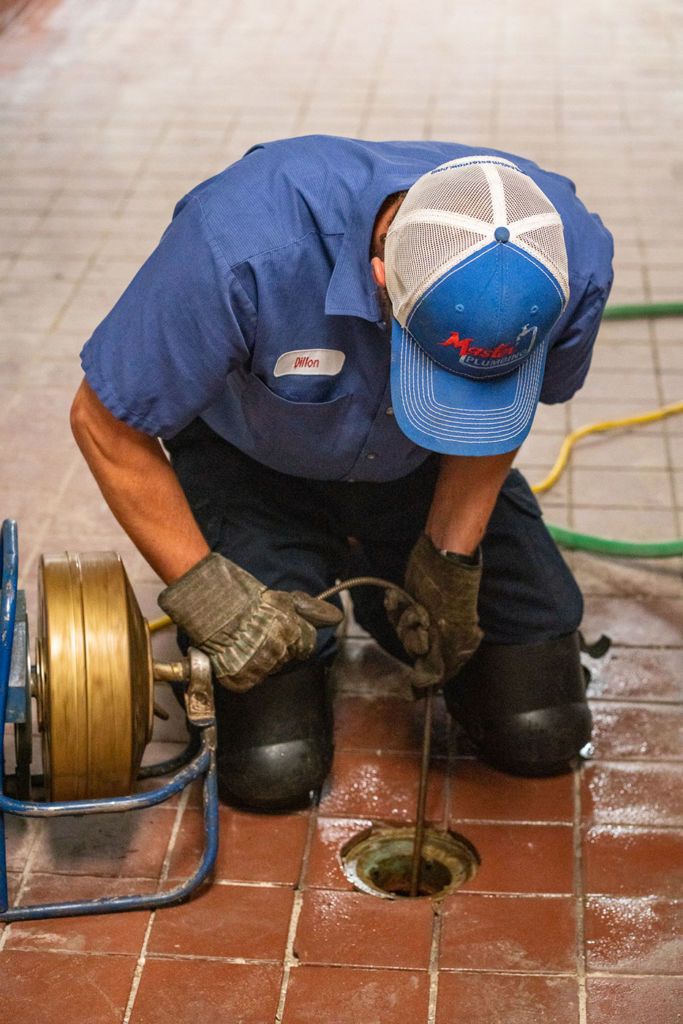
Call us when water drains slowly despite your best efforts, when you have multiple slow drains (indicates a main line issue), when you hear gurgling sounds from drains or toilets, or when DIY methods don’t work. We use professional drain snakes and hydro-jetting equipment that clears clogs completely, not just pokes a hole through them like a plunger does. Camera inspections show exactly what’s blocking your line and whether you have bigger issues like root intrusion or collapsed pipes. We clean the clog and explain what caused it so you can prevent the next one. Most drain cleaning takes 30 to 60 minutes depending on clog location and severity. We serve Boise, Star, Payette, and surrounding areas. Regular professional cleaning every 18 to 24 months keeps your drains flowing freely and catches problems before they become emergencies.
Comparison
| Clog Type | Primary Cause | Location | Prevention | DIY Fix | Professional Fix |
|---|---|---|---|---|---|
| Bathroom Hair Clog | Soap scum + hair | Sink/tub trap | Mesh drain screen | Drain snake | Professional snake or hydro-jet |
| Kitchen Grease Clog | Fats, oils, grease | 12-24″ past trap | Never pour grease down drain | Hot water flush | Hydro-jetting required |
| Food Buildup | Food scraps, coffee grounds | Disposal/drain connection | Sink strainer, proper disposal use | Enzyme cleaner | Professional snake |
| Mineral Deposits | Hard water buildup | Throughout drain line | Water softener, regular cleaning | Limited | Hydro-jetting + descaling |