Why Sewer Lines Fail During Boise Summers
Why Sewer Lines Are More Vulnerable During Boise Summers
Many sewer line failures that occur during the summer months are the result of long-term deterioration rather than a single event. Boise’s hot, dry climate can accelerate existing issues by causing soil movement, pipe stress, and increased root activity. Over decades of seasonal temperature fluctuations, older sewer materials—particularly clay pipe—expand and contract repeatedly. This cycle can weaken joints, create cracks, and allow groundwater infiltration or root intrusion.
Summer drought conditions can further contribute to sewer line problems. As soil dries, it contracts and shifts, placing additional stress on buried pipes and pipe connections. At the same time, trees and large landscaping plants actively seek out sources of moisture. Even a minor crack or separated joint can attract roots, which can quickly enter the sewer line and expand within the pipe. Once established, root systems can restrict flow, create recurring blockages, and accelerate structural pipe damage.
Common Causes of Sewer Line Failure in the Treasure Valley
Tree Root Intrusion
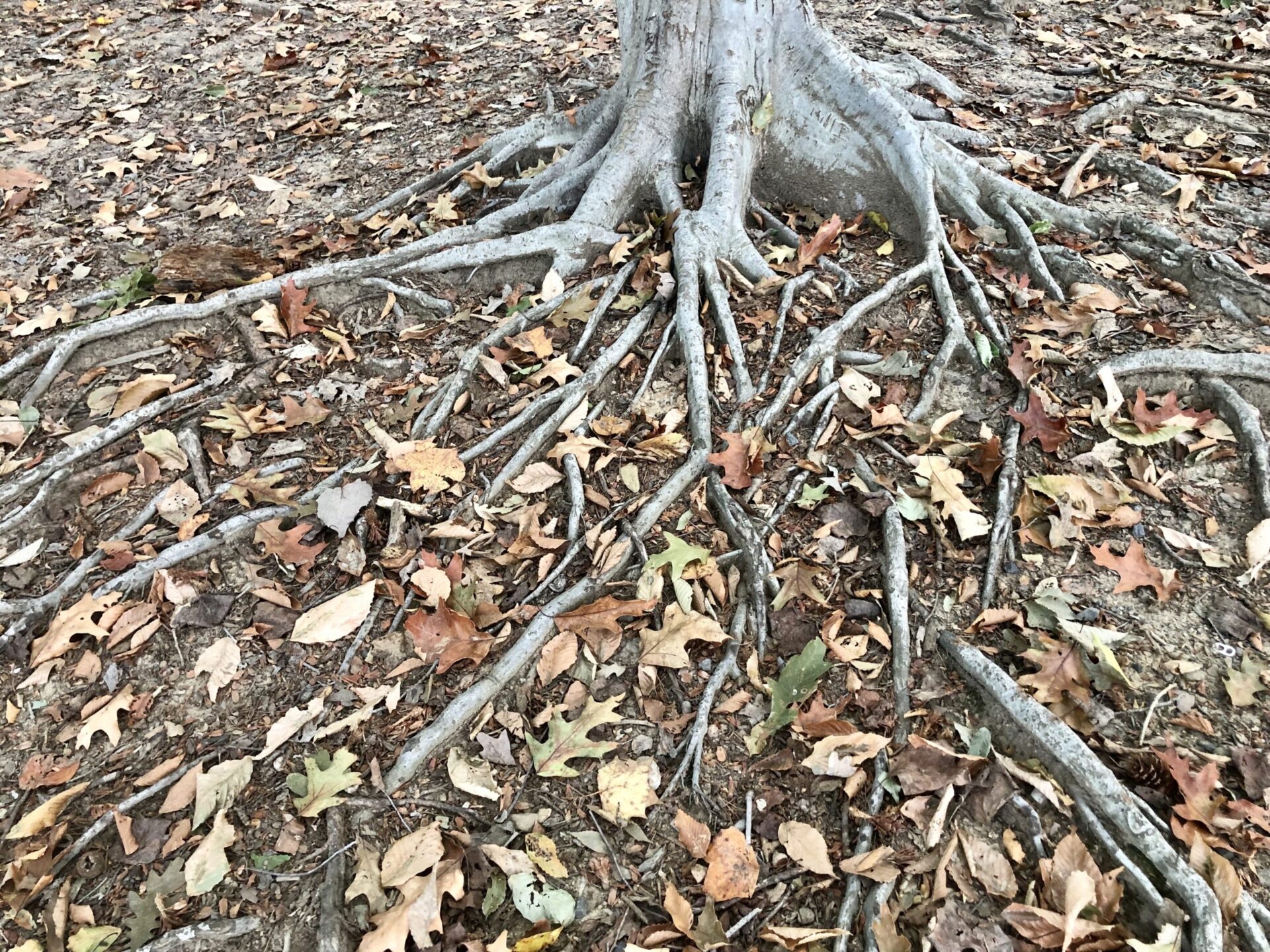
Tree root intrusion is one of the most common causes of sewer line failure throughout Boise and the surrounding Treasure Valley. Mature trees such as cottonwoods, willows, maples, and sycamores develop extensive root systems that naturally seek moisture and nutrients. When roots encounter a compromised sewer pipe, they can enter through small cracks, separated joints, or deteriorated connections and continue growing inside the line.
As roots expand, they trap debris, grease, paper products, and other materials moving through the system. Over time, this accumulation can lead to severe restrictions, recurring backups, and, in some cases, complete blockages.
Aging and Deteriorating Pipe Materials
Many homes throughout the Treasure Valley still rely on sewer lines that were installed several decades ago. Older clay pipes can become brittle, develop cracks, or experience joint separation as they age. Cast iron sewer pipes are susceptible to corrosion, which gradually weakens the pipe walls and reduces structural integrity.
Some properties may still contain Orangeburg pipe, a compressed wood-fiber and tar-based product that was commonly installed between the 1940s and 1970s. Orangeburg pipe has a limited lifespan and is particularly vulnerable to deformation, collapse, and failure as surrounding soil conditions change.
Grease, Debris, and Non-Flushable Materials
Not all sewer failures are structural. Repeated blockages caused by grease accumulation, food waste, hygiene products, wipes, and other non-flushable materials can place excessive strain on a sewer system. Over time, recurring backups can contribute to pipe damage and increase the likelihood of more significant failures.
During the summer months, higher household activity, outdoor gatherings, and increased use of plumbing fixtures can contribute to a greater volume of waste entering the system, making existing drainage problems more noticeable.
How Soil Movement Contributes to Sewer Problems
Expanding and Contracting Soils
The Treasure Valley contains areas of clay-rich soil that naturally expand when moisture levels increase and contract during periods of extended dryness. This constant movement exerts pressure on buried infrastructure, including sewer lines.
Over time, seasonal soil movement can cause pipe joints to separate, slopes to shift, and cracks to develop. Even if a sewer line remains structurally intact, changes in grade can create low spots—commonly known as “bellies”—where wastewater and debris begin to collect. These areas often contribute to recurring clogs and reduced drainage performance.
Surface Loads and Soil Compression
Heavy vehicles, construction equipment, and repeated surface loading above a sewer line can also contribute to pipe failure. The additional weight compresses surrounding soil and increases stress on aging infrastructure.
Older clay and deteriorated sewer materials are particularly susceptible to cracking or collapse under these conditions. Existing defects that may have remained stable for years can worsen when combined with seasonal ground movement and prolonged dry conditions.
Sewer Pipe Materials Most Susceptible to Failure
Clay Sewer Pipe
Clay sewer pipe is commonly found in older Boise-area homes. While clay is resistant to corrosion, it is vulnerable to cracking, root intrusion, and joint separation. Decades of temperature changes and soil movement can gradually compromise the pipe’s integrity, making it one of the most common materials associated with sewer line repairs.
Cast Iron Sewer Pipe
Cast iron offers excellent strength but is susceptible to corrosion over time. Internal corrosion can reduce pipe diameter and restrict flow, while external corrosion can weaken the structure and eventually lead to leaks or collapse.
Orangeburg Pipe
Orangeburg pipe has largely been phased out but remains present in some older neighborhoods. Because it is manufactured from compressed wood fibers and bituminous materials, it can deform, blister, collapse, or lose structural strength as it ages. Properties with Orangeburg sewer lines are often candidates for full replacement rather than repair.
PVC Sewer Pipe
Modern PVC sewer lines are generally highly durable and resistant to corrosion. However, improper installation, poor joint connections, insufficient bedding, or significant ground movement can still result in failures. In many cases, issues involve the connections and installation practices rather than the pipe material itself.
Signs Your Sewer Line May Be Failing
Homeowners should watch for several warning signs that may indicate a developing sewer line problem:
- Slow drains throughout multiple areas of the home
- Frequent drain backups or recurring clogs
- Gurgling noises from toilets or drains
- Sewage odors inside the home or around the property
- Wet areas, unusually green grass, or standing water in the yard
- Sinkholes or ground depressions above the sewer line
- Wastewater backing up into lower-level fixtures
- Increased insect activity near affected areas
When multiple symptoms occur simultaneously, a professional inspection is recommended to identify the source of the problem before a complete blockage or failure occurs.
How Sewer Line Problems Are Diagnosed
Video Camera Inspection
The most effective method for diagnosing sewer line issues is a professional camera inspection. A specialized high-resolution camera is inserted into the sewer line and guided through the system to evaluate its condition.
This process allows technicians to identify:
- Tree root intrusion
- Cracks and fractures
- Pipe separations
- Corrosion and deterioration
- Grease and debris buildup
- Bellies or low spots
- Partial or complete blockages
Video inspections provide an accurate assessment of the sewer line’s condition and eliminate the guesswork associated with traditional troubleshooting methods.
Accurate Problem Identification
Once the inspection is complete, technicians can determine the exact cause and location of the failure. This information helps homeowners make informed decisions regarding cleaning, spot repairs, trenchless rehabilitation, or full sewer line replacement.
By identifying issues early, property owners can often address developing problems before they result in extensive property damage, emergency backups, or more costly repairs.